
Do Luxury Travel Advisors Really Make a Difference?
You can book a luxury hotel, flight, cruise, or yacht charter perfectly well by yourself. But the booking is only the beginning. Drawing on more than a decade behind the scenes in luxury hospitality, this article explores how a luxury travel advisor can influence what happens before arrival—from communicating your preferences to the property to coordinating the details that make a stay feel genuinely personal. Because sometimes the greatest luxury is arriving somewhere and knowing that your arrival already matters.
Where to Stay for Iceland's Total Solar Eclipse — Now That Most of It Is Sold Out
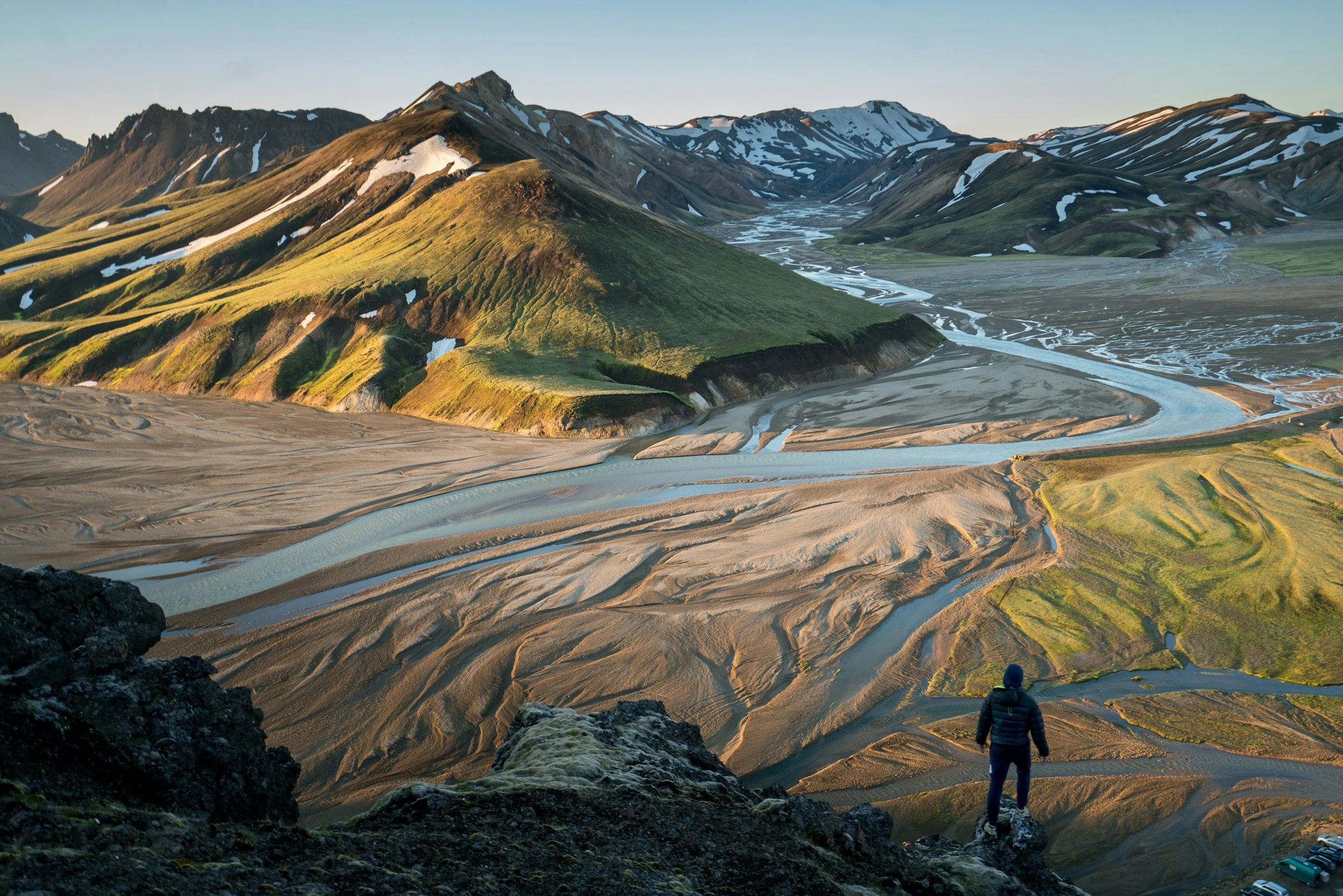
Reykjavík hotel rooms are averaging over $1,000 a night. The totality corridor holds only 17,000 residents. Here's what's actually still bookable — and the alternative most advisors won't mention.
Is There a Total Solar Eclipse in the US in 2026?
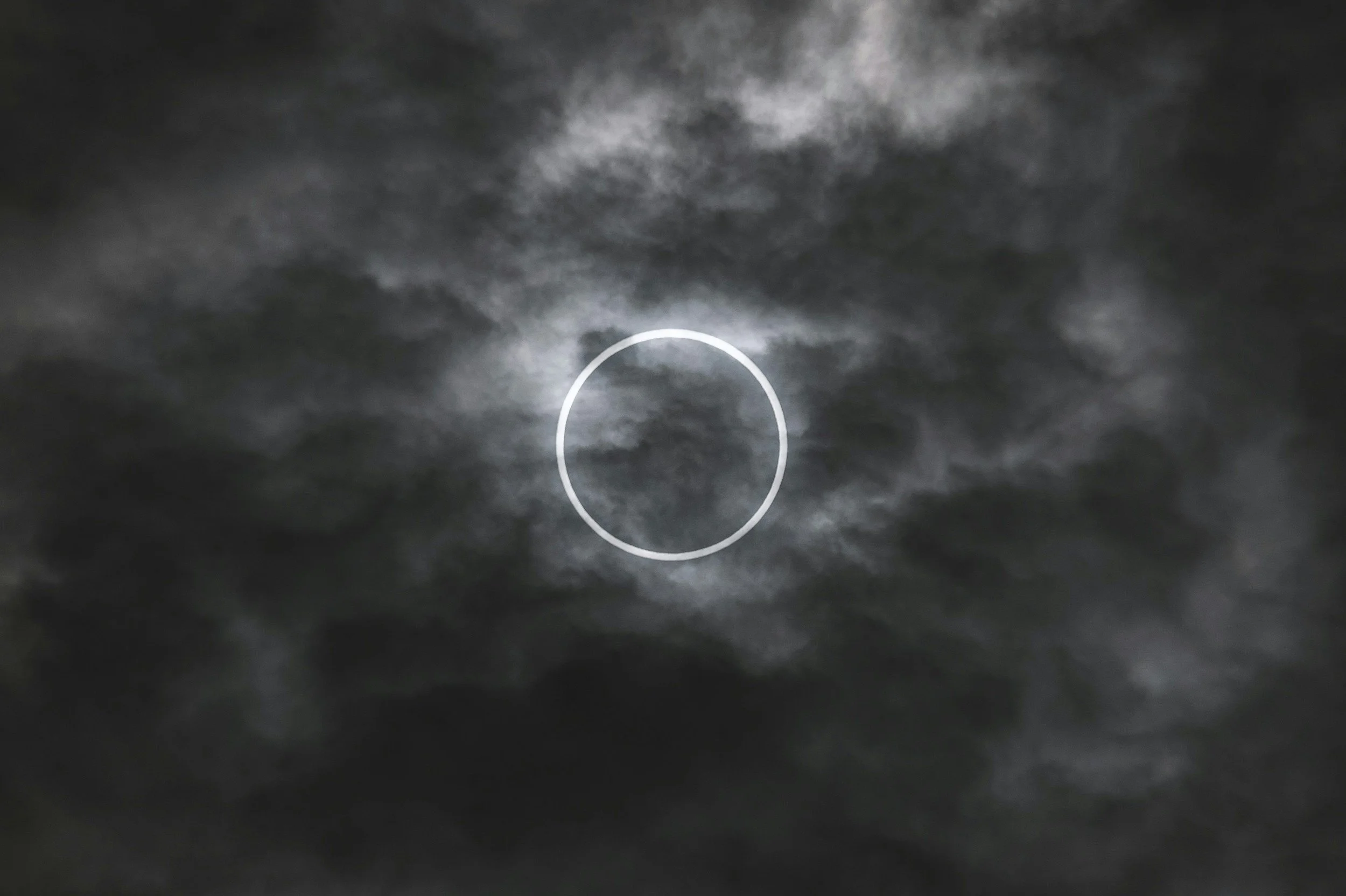
There is no total solar eclipse in the United States in 2026 — it crosses Greenland, Iceland and Spain. Here is where to actually stand, and when America's next one comes.
The Best Luxury Cruise for Antarctica, Compared From the Inside
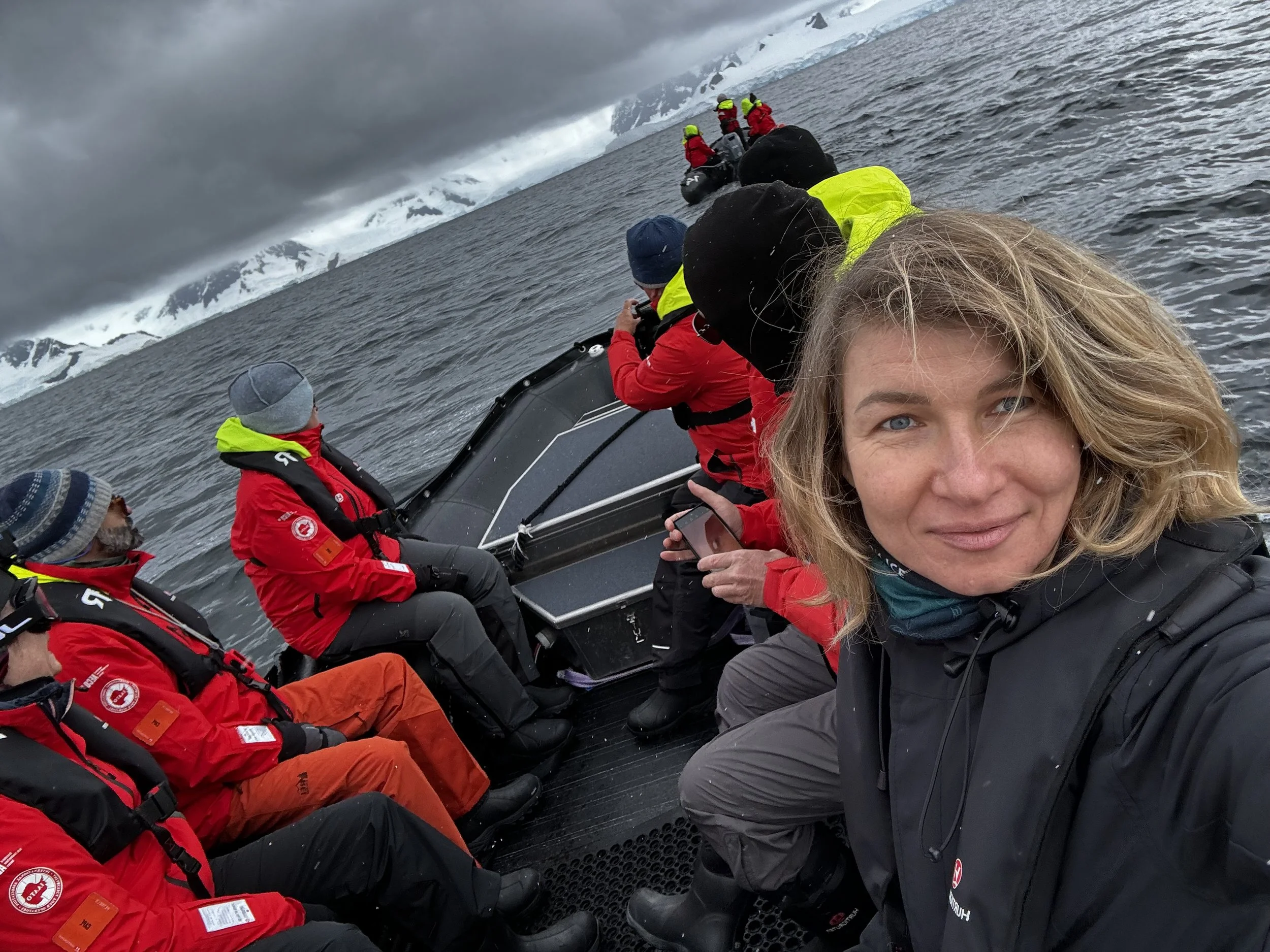
This is the comparison I wish existed before clients ask me which luxury cruise is best for Antarctica. I am not neutral about it, and I will tell you why up front: before I ever stepped onto Antarctic ice, I sold these voyages for a living, as Future Cruise Sales Manager aboard HX's MS Fridtjof Nansen. I have watched which promises survive contact with the Drake Passage and which do not. What follows is laid out plainly — the figures that are real, the distinctions that matter, and the one question that decides everything.
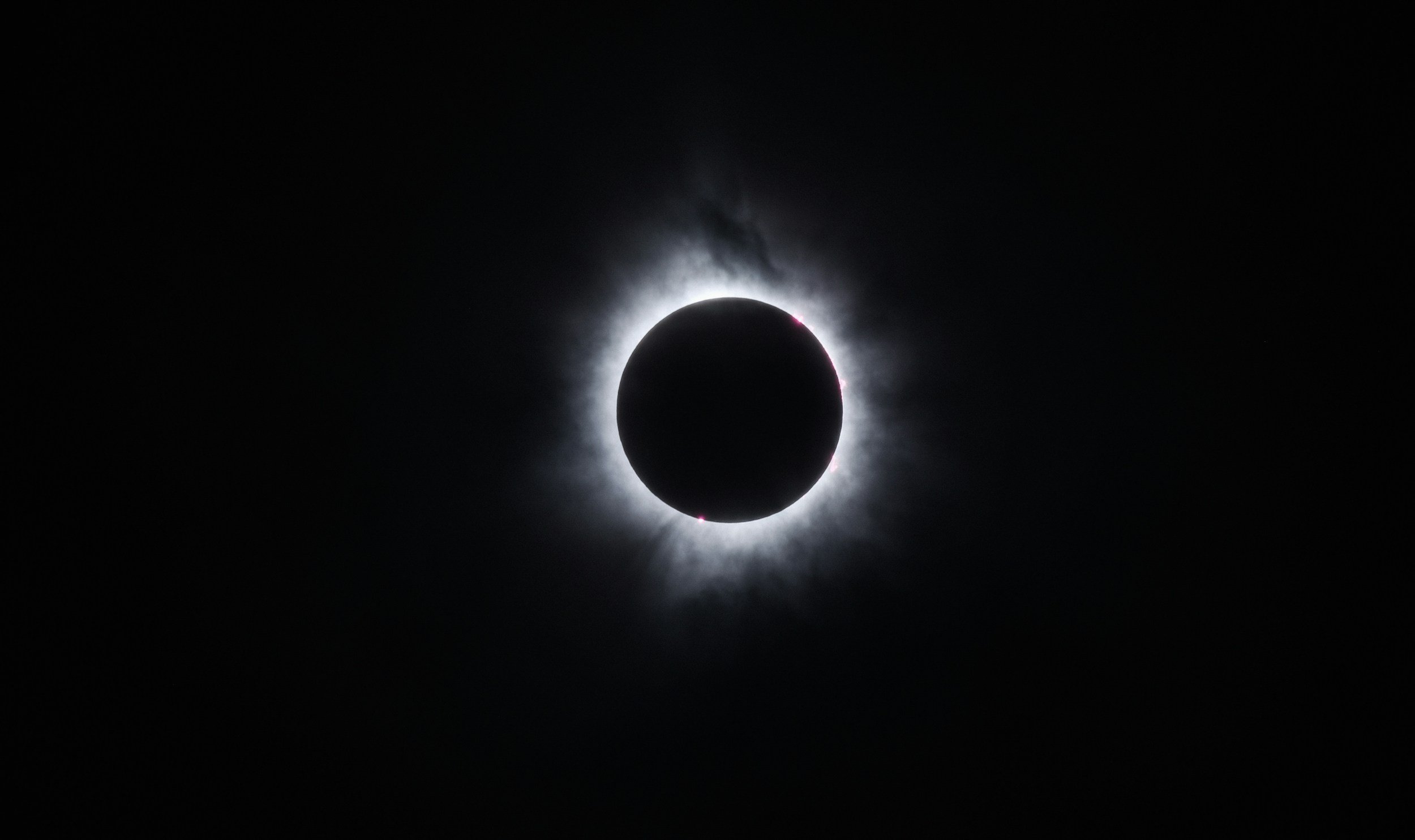
2026 Total Solar Eclipse Cruises & Tours: The Ultra-Luxury Options
The ultra-luxury way to see the 2026 total solar eclipse — Ritz-Carlton, Explora, PONANT, Silversea, Seabourn, HX and more, across Spain, Iceland and Greenland. Compared and arranged by an advisory inside the path of totality.
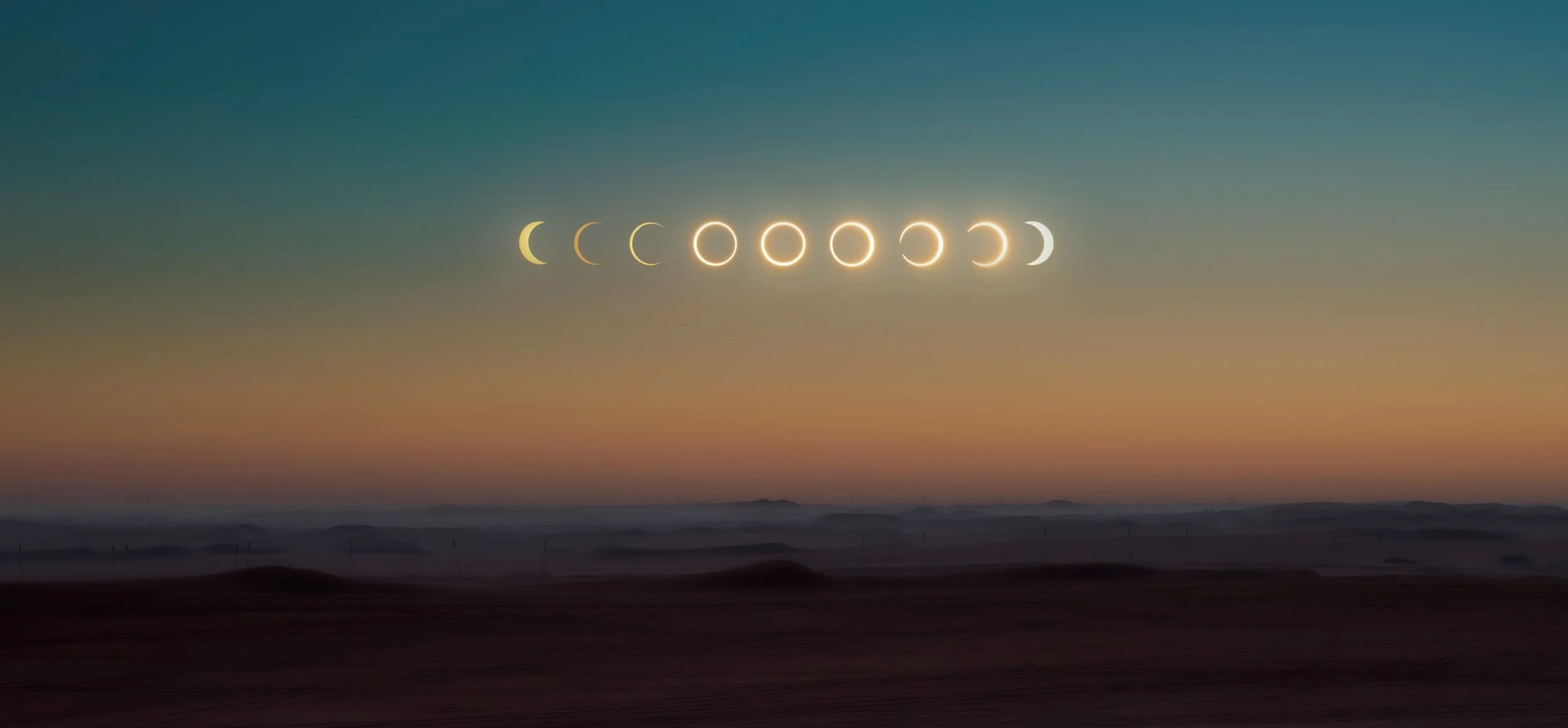
Where to Stand: The Total Solar Eclipses of 2026, 2027 & 2028
An eclipse has ended a war, built the first computer, and overturned Newton. It returns three times in three years — and the only question left is where you will be standing.
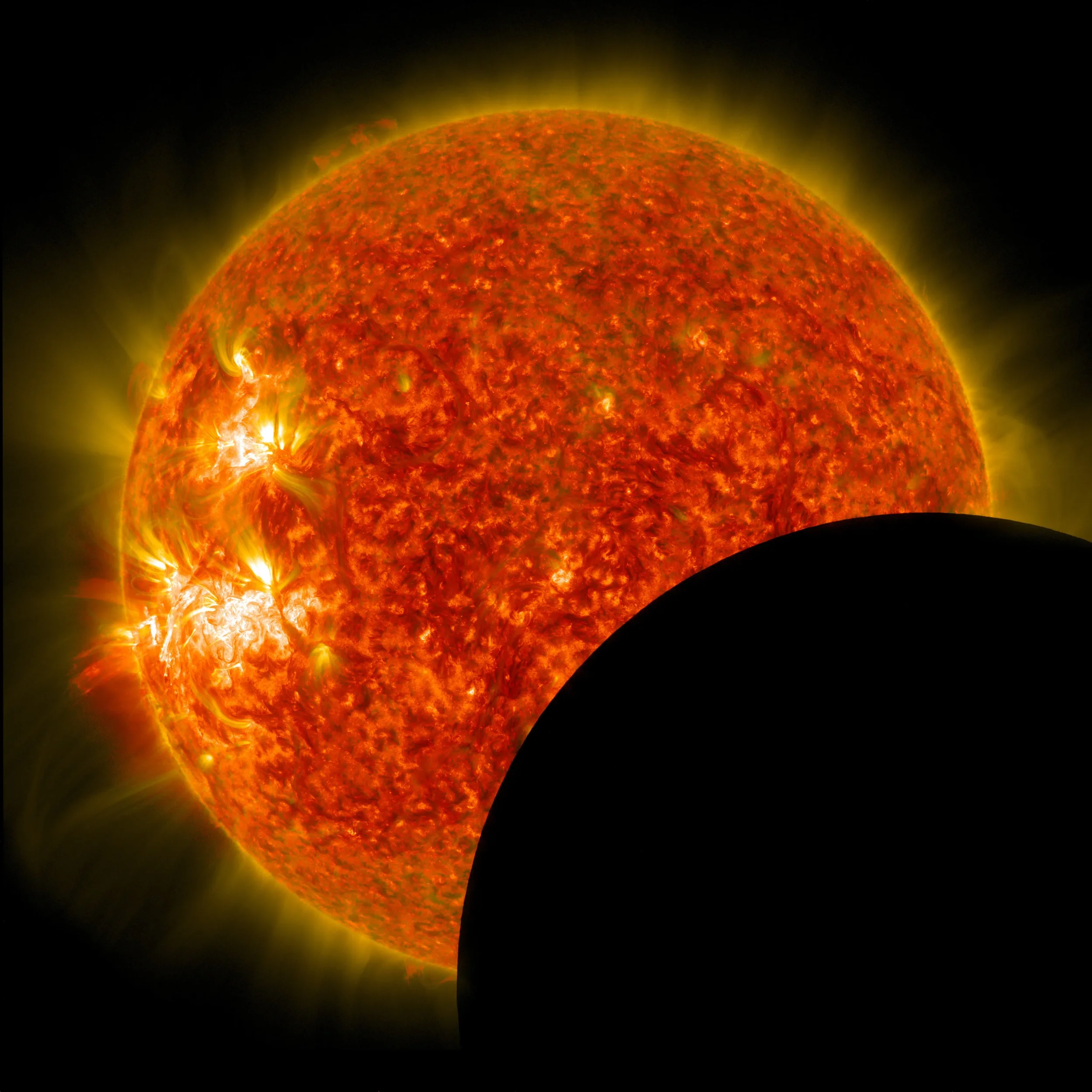
The Shadow That Rewrote the World
An eclipse has ended a war, built the first computer, and overturned Newton. It returns three times in the next three years — across Spain in 2026, Egypt in 2027, and Australia in 2028. The only question left is where you will be standing.
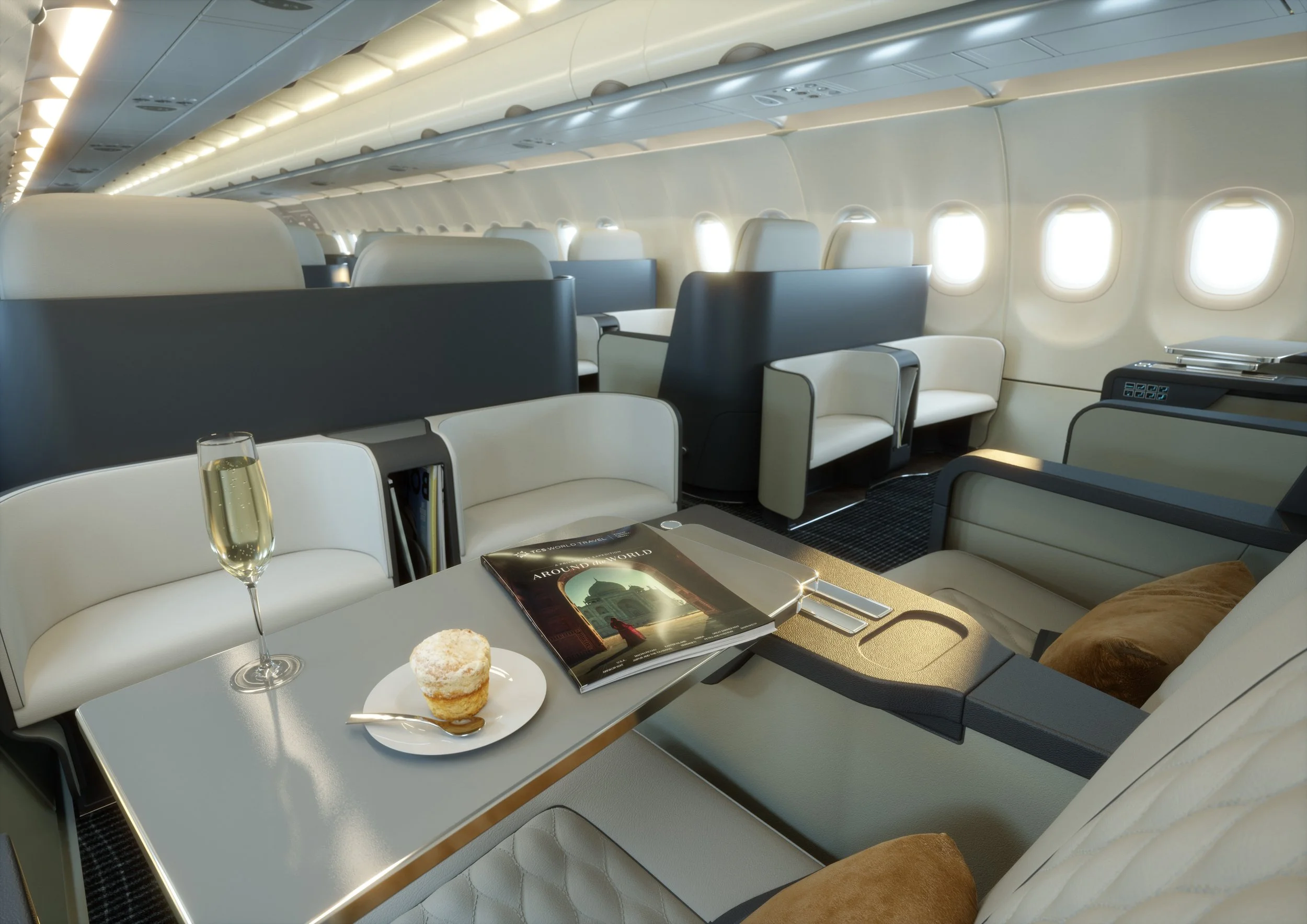
How to Book a Round-the-World Private Jet Experience
Six names run the world's round-the-world private jet journeys, and they are not interchangeable. What each one costs, how far ahead they sell out, and how an advisor holds the right one for you — for the same price as booking direct.
The New Ultra-Luxury Ocean Lines, Compared
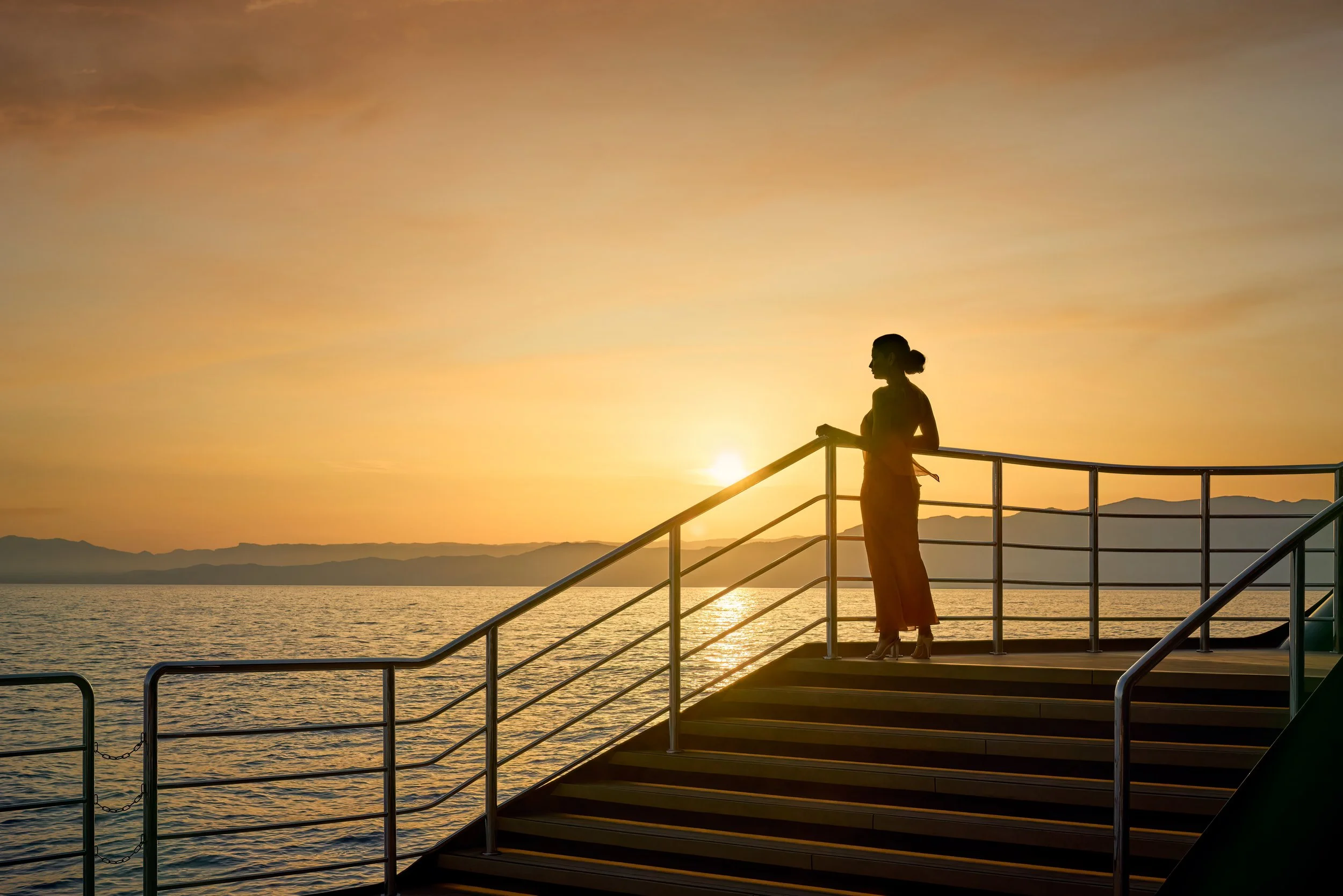
In three years, the ultra-luxury ocean field has roughly doubled. Explora, Ritz-Carlton, Four Seasons and the Orient Express Corinthian, set against Silversea, Seabourn, Regent, HX and Scenic — a clear-eyed comparison of guests, inclusions and price, and which one suits you.
We Have to Learn to Be a Family
Being a family is not something that happens automatically. It is something you have to learn. Most family failures do not happen in courtrooms or around boardroom tables — they happen in the silence between people who have forgotten how to speak to each other. This is what neuroscience, open water, and a conversation with Dominik von Eynern of Family Hippocampus taught me about the environment that makes the impossible conversations possible.
Orient Express Corinthian: What the World's Largest Sailing Yacht Actually Means for the Way We Travel in 2026
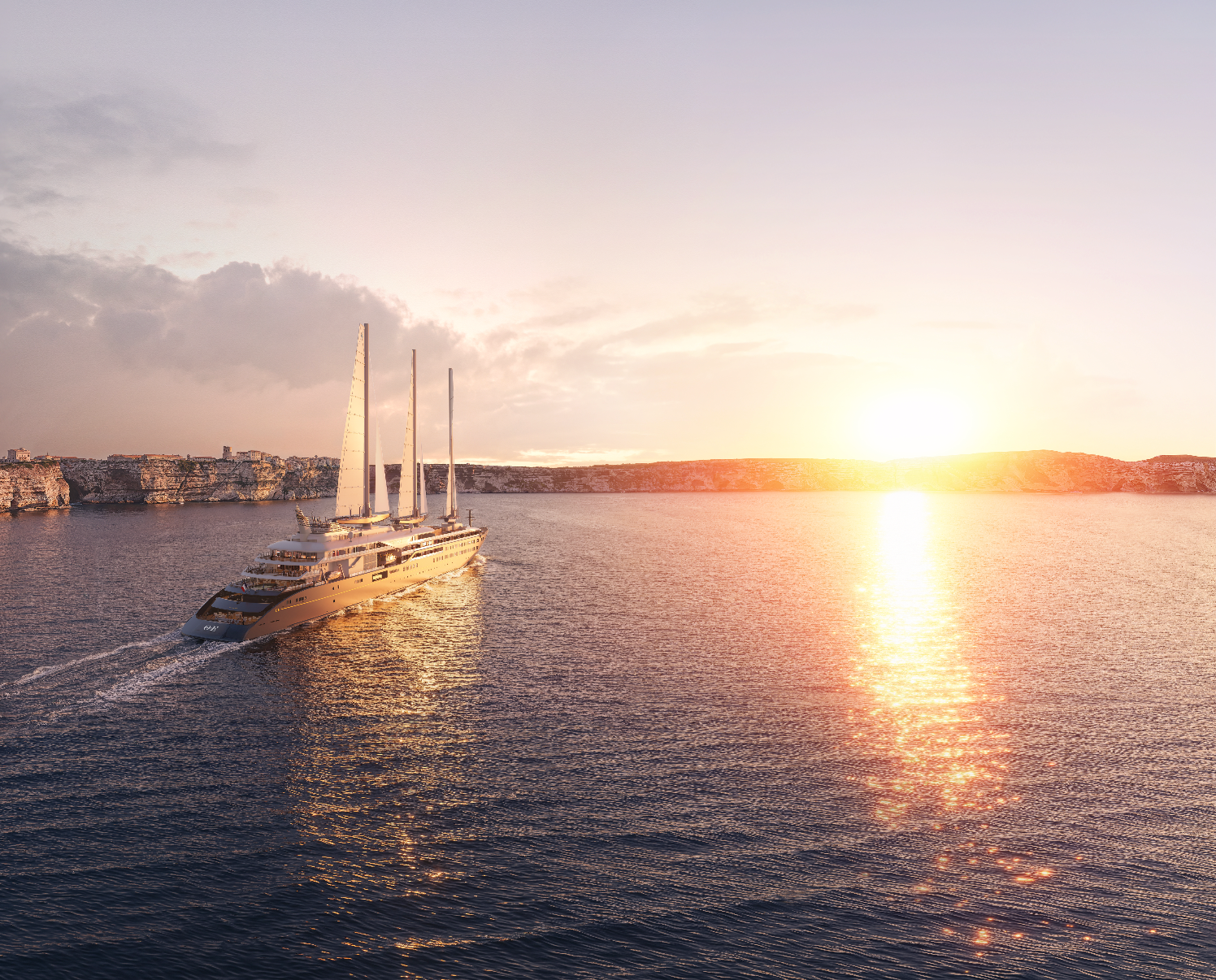
The Orient Express Corinthian opens its maiden voyages in June 2026 as the world's largest sailing yacht — 220 metres, 54 suites, 110 guests, and a crew ratio of 1.6 per guest. Built by Chantiers de l'Atlantique with three patented carbon fibre solid sails, it is the first vessel of this scale designed to move under wind power without heeling. Yannick Alléno directs the culinary programme. Maxime d'Angeac conceived the interiors. Fares begin at €16,500 per suite for short voyages and from €58,000 for the Grand Italian Tours combining train, hotel, and yacht. Here is everything worth knowing before you inquire.
The World in 24 Days — What the Four Seasons Private Jet Experience Actually Is
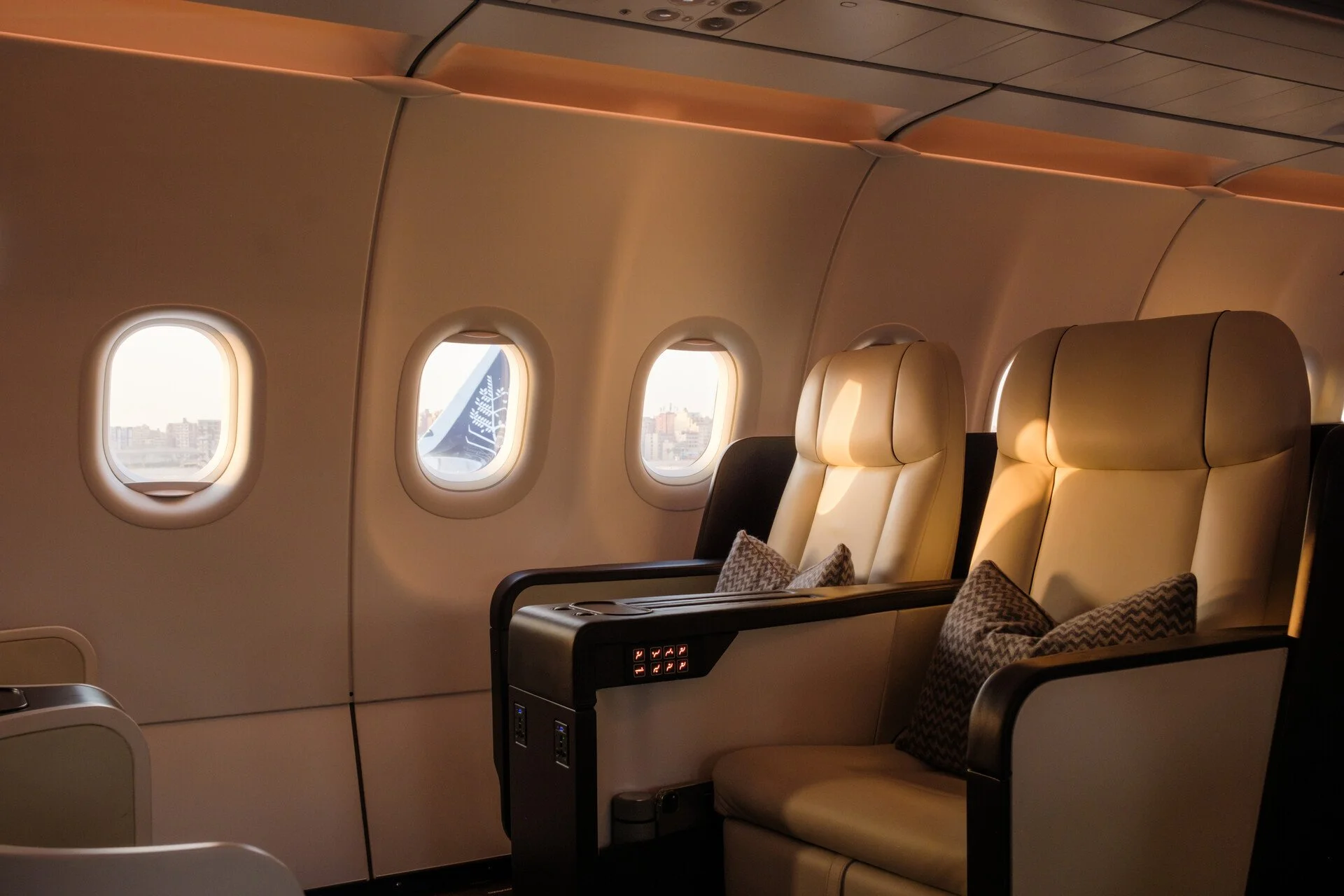
The Four Seasons Private Jet and TCS World Travel operate multi-week expeditions by private jet — carrying 48 to 52 guests aboard a custom Airbus A321 through some of the world's most remarkable destinations. This guide explains what these private jet expeditions actually include, how they differ from private charter, which itineraries are open for 2026 and 2027, what the price covers, and how to book through a Virtuoso-affiliated travel advisor.
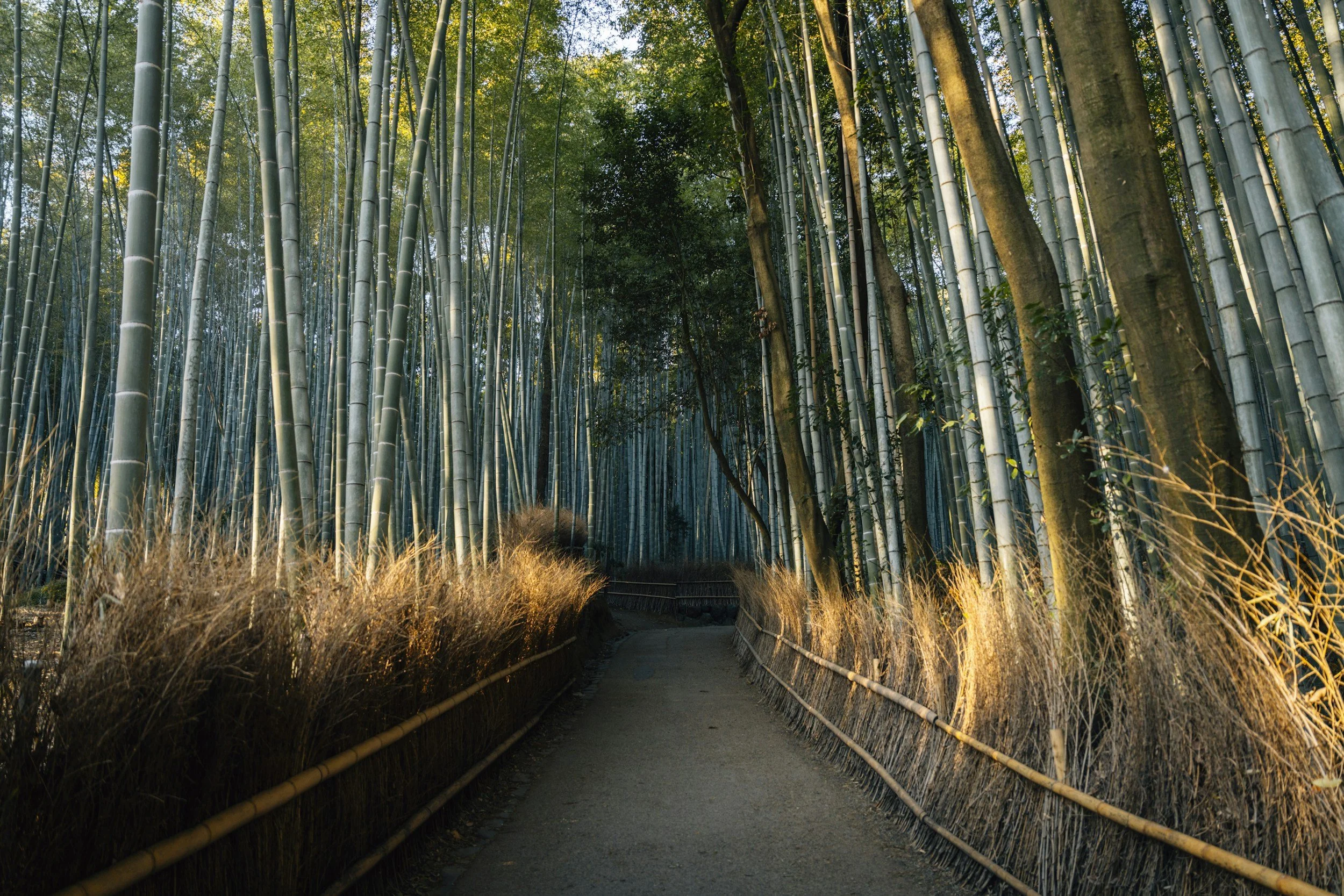
Japan, Understood
Japan does not announce itself. It reveals itself — slowly, in layers, to those who have arrived with enough stillness to receive it. Through a new specialist partnership in Tokyo, Aura Vera now offers a Japan that most travellers, even well-travelled ones, have never encountered.
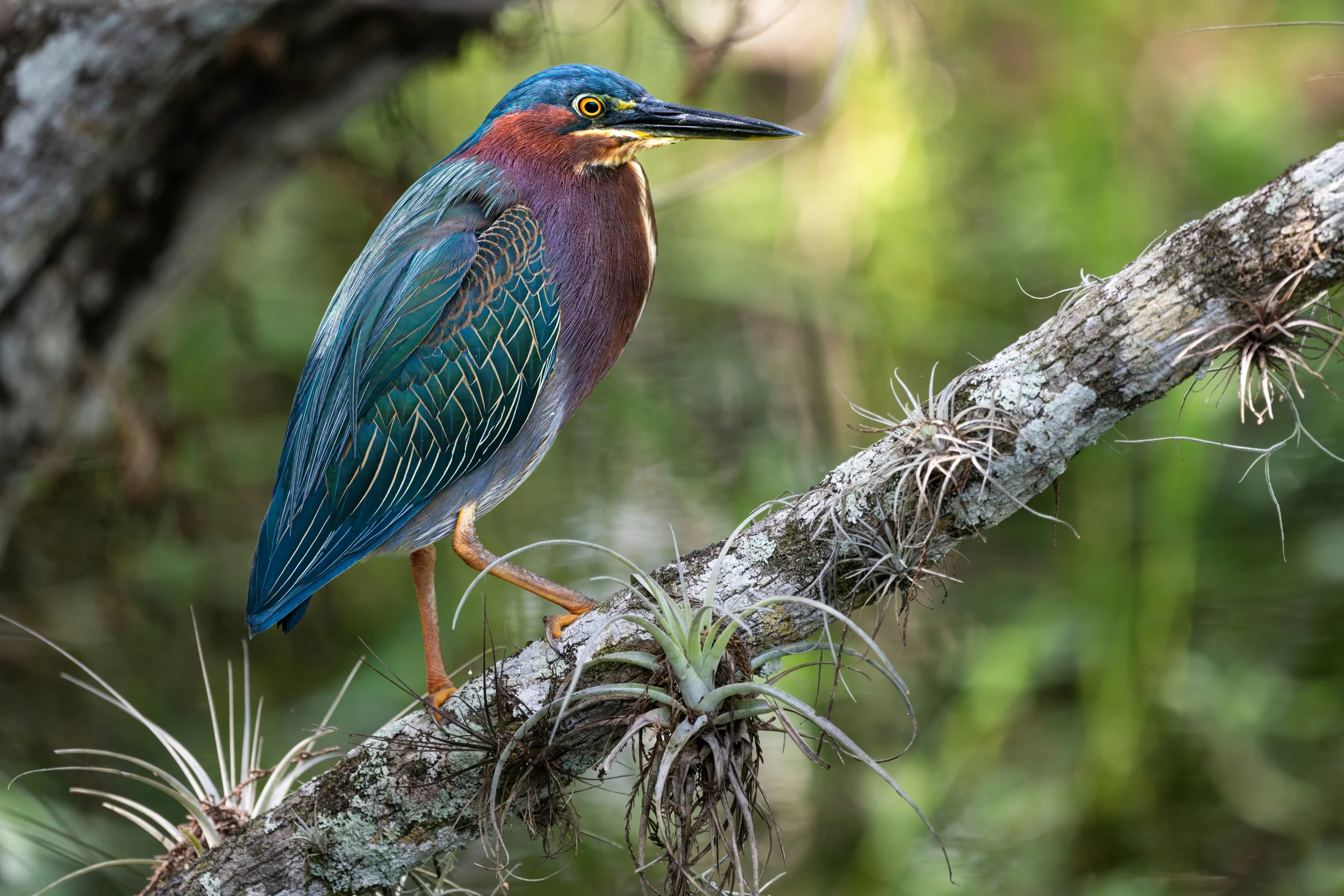
The Art of Observing
There is a moment every serious birdwatcher describes the same way. The world contracts to a single point of extraordinary attention. Nothing else exists. This is what birdwatching actually is — not a hobby, but a practice of radical presence. And some of the most remote, extraordinary places on Earth are best accessed through its lens.

Kintsugi Leadership: What broken pottery teaches us about resilience, beauty, and the value of the fracture
In fifteenth-century Japan, a shogun's cracked tea bowl came back from repair held together with ugly metal staples. His craftsmen found a better answer — filling the fractures with gold. What they created was not just a repair. It was a philosophy. And it may be the most useful framework for leadership that the modern world has never properly adopted.
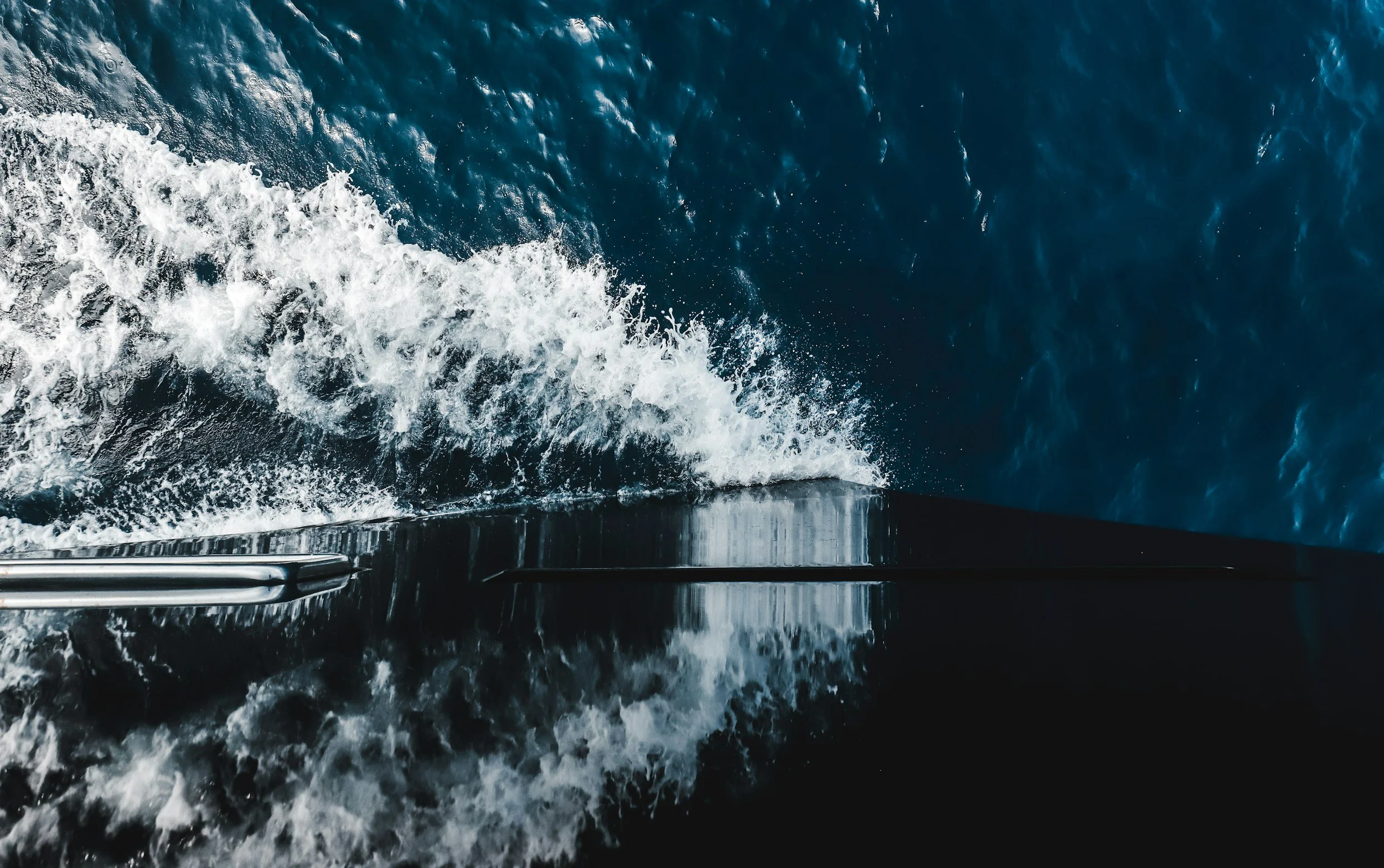
The Prescription: Land, Ocean, and Air as medicine for the executive nervous system
In Scotland, doctors are now writing nature into their prescriptions. What the research confirms, the world's most restorative environments have always known: that certain landscapes heal us in ways that no room, no screen, and no schedule can replicate. Land, ocean, and air — three prescriptions for the executive nervous system, and three journeys to experience them.
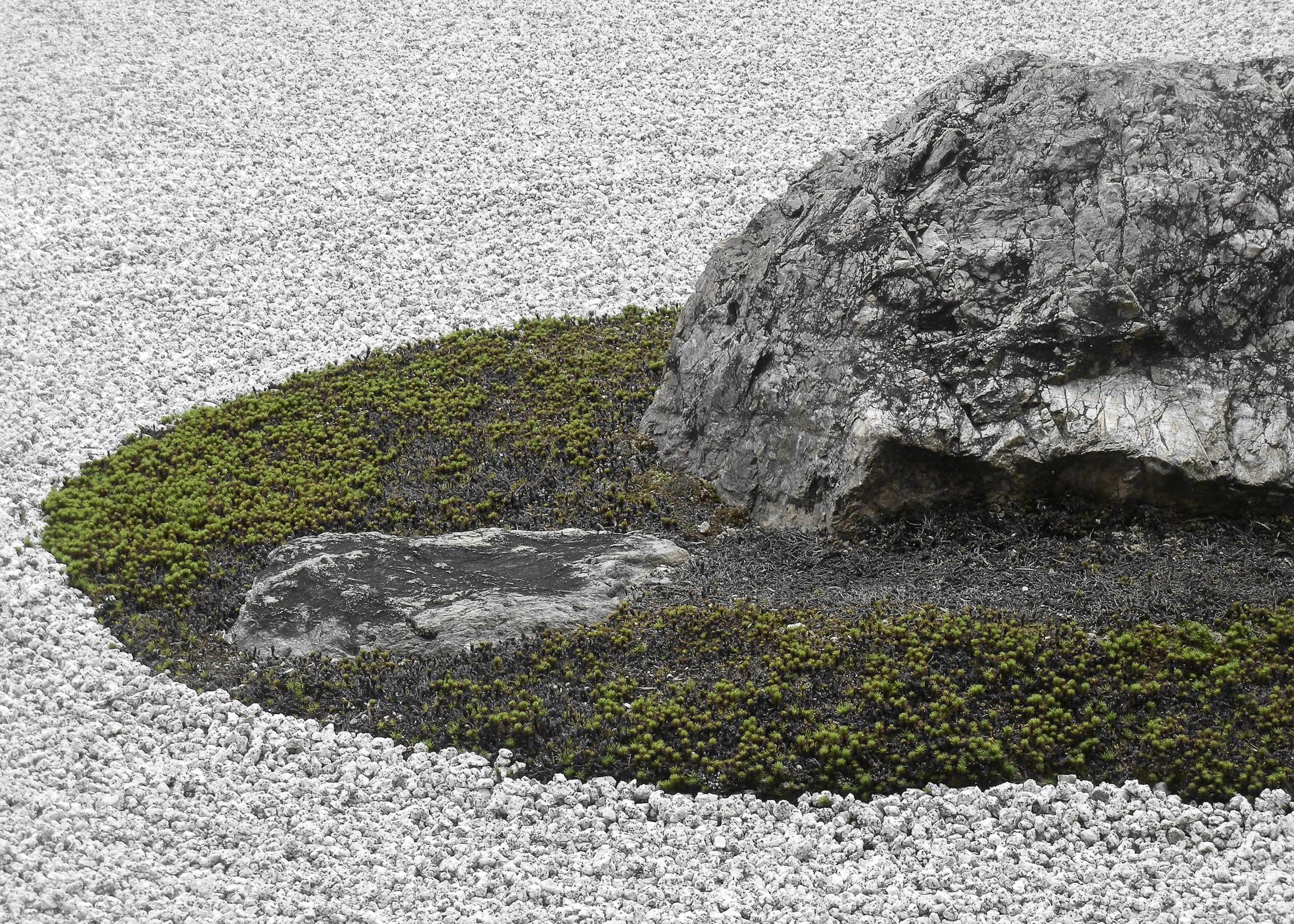
The Philosophy of Ma. Why leaders travel to Japan — and what they find there
In the West, we are frightened of empty space. We fill our calendars before they are empty, reach for our phones in the first seconds of silence, as if stillness were a problem to be solved.Japan has a word for what we are afraid of. They call it Ma — the meaningful interval, the pause that gives shape to everything around it.
In this first episode, I explore the Japanese philosophy of Ma: what it feels like in the moss gardens of Kyoto, the ryokan, and the samurai dojo — and why the leaders who travel to Japan so often return describing the same thing: a quality of stillness that was, until then, impossible to find.