
The Best Luxury Cruise for Antarctica, Compared From the Inside
The lines that actually sail the White Continent — Silversea, Seabourn, Scenic, Ponant and HX — judged by someone who sold polar expeditions before she stood on the ice herself.
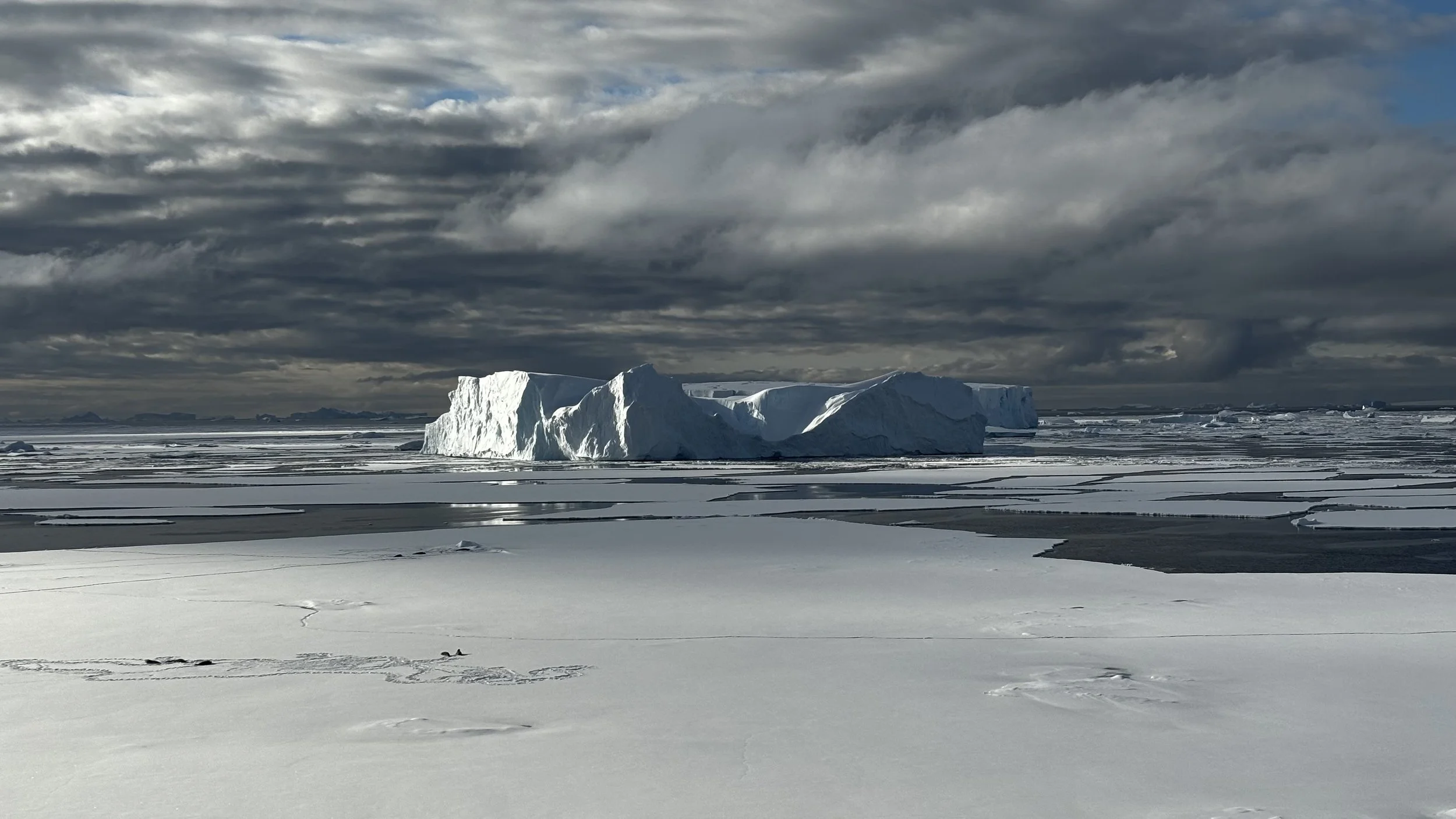
Image: personal from Antarctica
There is a particular hour at the bottom of the world when the engines go quiet, the ship holds itself still over water it will not anchor in, and the only sound is ice moving against the hull. Most people spend a great deal of money to reach that hour. Far fewer think carefully about which vessel is underneath them when it arrives — and in Antarctica, more than anywhere else I send clients, that choice is the difference between a holiday that visited a cold place and an expedition that changed the shape of a year.
This is the comparison I wish existed before clients ask me which luxury cruise is best for Antarctica. I am not neutral about it, and I will tell you why up front: before I ever stepped onto Antarctic ice, I sold these voyages for a living, as Future Cruise Sales Manager aboard HX's MS Fridtjof Nansen. I have watched which promises survive contact with the Drake Passage and which do not. What follows is laid out plainly — the figures that are real, the distinctions that matter, and the one question that decides everything.
The field at a glance
*HX ships carry more guests, but the IAATO rule below caps everyone — no more than 100 passengers ashore at any one time, regardless of ship size. Figures current as of June 2026; "from" fares are indicative, vary by season, cabin and itinerary, and rarely end up being the number that matters.
Aura Vera · The Field at a Glance
Luxury Antarctica, Line by Line
| Line | Ship(s) to Antarctica | Guests (polar) | Polar class | Submarine / Helicopter | Inclusive model | From (approx., pp) |
|---|---|---|---|---|---|---|
| Silversea | Silver Cloud, Silver Wind, Silver Endeavour | ~200 | Ice-strengthened | Neither | All-inclusive; butler every suite; Drake or fly-the-Drake via King George Island | ~$12,000 10-night |
| Seabourn | Venture, Pursuit | 200 (264 max) | PC6 | Two 6-guest submarines; no helicopter | All-inclusive incl. champagne & caviar; 24 Zodiacs; 24-person team | ~$12,000 10-night |
| Scenic Eclipse I & II | Both | 200 (228 max) | PC6 | One 6-guest submarine and two helicopters | 6-star all-inclusive; flights/transfers incl.; sub & heli extra | $100,000+ top suites |
| HX Hurtigruten Expeditions |
Roald Amundsen, Fridtjof Nansen | up to ~500* | PC6 | Neither — science-led | All-inclusive expedition; Science Center; free Starlink | ~$9,000 per voyage |
| Ponant | Le Commandant Charcot (+ sister yachts) | ~199–245 | PC2 (Charcot) | Charcot: 2 helicopters; no submarine | Luxury all-inclusive; hotel + Ushuaia flights + parka incl. | ~$27,000 Charcot |
| Viking Expeditions | Octantis, Polaris | ~378 | PC6 | Two 6-guest submarines; no helicopter | All-inclusive; adult-only; Scandinavian | On request |
* HX ships carry more guests, but IAATO rules cap everyone — no more than 100 passengers ashore at any one time, regardless of ship size. Figures current as of June 2026; “from” fares are indicative, vary by season, cabin and itinerary, and rarely end up being the number that matters.
What is the best luxury cruise for Antarctica?
There is no single answer, and any advisor who gives you one without asking what you want is selling, not advising. But there is a real structure underneath the choice, and it comes down to three honest axes: how much expedition you want, how much luxury you refuse to give up, and how you feel about the Drake Passage.
Five names lead the ultra-luxury end of the field. They do not lead at the same thing.
Silversea is the most complete ultra-luxury all-inclusive in the polar market. Three 200-guest ships — Silver Cloud, Silver Wind and the purpose-built Silver Endeavour — sail the continent with a butler in every suite regardless of category, Bulgari in the bathroom, a nine-choice pillow menu, and the option that matters most to a certain traveller: you can cross the Drake by sea, or skip it entirely and fly to meet the ship at King George Island. For the person who wants Antarctica without surrendering the standard of a land suite, Silversea is the most honest answer.
Seabourn is where the traveller who has done the homework tends to land. Venture and Pursuit were purpose-built for expedition — PC6 polar class, two six-guest submarines, twenty-four Zodiacs, a twenty-four-strong expedition team — and wrapped in Seabourn's all-suite, all-inclusive product, where caviar after a Zodiac landing through brash ice is simply how Tuesday works. It is the line that refuses to choose between luxury and expedition and, more than most, gets away with it.
Scenic Eclipse answers the question by refusing every trade-off at once — and I will give it its own section below, because it owns something nothing else here does.
Ponant brings a French sensibility and the one piece of hardware that changes what is reachable: Le Commandant Charcot, a true PC2 icebreaker that reaches thicker, higher-latitude ice than any other luxury vessel afloat, with hotel nights, Ushuaia flights and your polar parka folded into the fare. If your Antarctica is about going further — the Weddell Sea, the emperor colonies, the geographic edges — Charcot is the vessel that physically can.
HX (Hurtigruten Expeditions) is the one I know from the inside, and the one I send the traveller who came for the continent rather than the cabin. More on that below, too.
What about the submarine and the helicopters — which ship has both?
This is the question I now hear most, and the answer is cleaner than the internet makes it sound.
Submarines have become almost standard kit at the top of the market. Seabourn (Venture and Pursuit), Viking (Octantis and Polaris) and Scenic Eclipse all carry six-guest U-Boat Worx submersibles that descend to roughly 300 metres — depths genuinely unavailable from any deck.
But only one line carries a submarine and helicopters: Scenic Eclipse I and II. Each Discovery Yacht holds one six-guest submarine — Scenic Neptune, capable of 984 feet — alongside two Airbus H130 helicopters, so a single Antarctic day can move from the air above a glacier to the world beneath the ice and back before dinner. The ships are built to Polar Class 6 with stabilisers fifty per cent larger than comparable vessels, butler service in every suite, up to ten dining venues, and a Discovery Team of naturalists, marine biologists and historians. Capacity is just 228, and 200 in Antarctica.
Two honest caveats, because the brochures rarely lead with them. The helicopter and submarine experiences carry an additional cost — roughly $795 for a half-hour flight, $350–$795 for a dive — and both depend entirely on weather, ice and regulation. Dive slots are limited per voyage. Do not book the trip on the submarine alone. Book it because Scenic is the only vessel that offers the air-and-underwater vantage at all, and treat any day the toys actually fly or dive as the gift it is.
Which line should I choose if I want the real expedition?
Here is where I stop being even-handed, because this is the part I lived.
At the ends of the earth, the thread count is not what matters. What matters is who is standing beside you on the landing, how seriously the ship takes the science, and how lightly it treads on a place that cannot absorb mistakes. That is the case for HX.
HX effectively invented expedition cruising — the company has been sailing these waters since 1896 — and its two polar flagships, the Roald Amundsen and the Fridtjof Nansen, are the world's first battery-hybrid-powered expedition ships, cutting fuel and emissions by around a fifth, built by the line that was first to ban non-essential single-use plastics at sea. But the hardware is not the point. What you are buying on HX is the people. The expedition team are not entertainers — they are marine and wildlife biologists, oceanographers, geologists, glaciologists and ornithologists, several with research posts behind them. Each ship carries a working Science Center — microscopes, plankton nets, a CTD for ocean readings — and a Citizen Science programme whose data feeds live research. It is the rare ship where the most interesting room is not the bar.
Selling those voyages taught me what separates a real expedition from a cruise that merely visits cold places, and it is not luxury. It is the expedition leader's judgement when the ice closes a planned landing and a better one opens an hour away. When a client tells me they want Antarctica to mean something — to come home changed rather than merely photographed — this is the conversation we have first.
One thing worth stating plainly, because it governs every ship above: Antarctica has no Indigenous people and no permanent population. There is no culture to meet. The encounter is only ever with the ice, the wildlife and the silence — which is precisely the point, and the reason the team beside you matters more than the suite behind you.
When should I go to Antarctica, and does the Drake Passage matter?
The Antarctic season runs November to March — the only window passenger vessels sail. Each month is a different trip. December and January bring the wildlife at its peak: whales feeding, penguin chicks, the long polar light. November and early March mean fewer ships and longer days, at the cost of a rougher Drake crossing. Late February often delivers the cleanest weather and the ice-scapes at their most luminous.
The Drake Passage is the two-day open-ocean crossing each way, and it is the single biggest comfort variable of the trip. If it concerns you, two lines solve it: Silversea and several others offer a fly-the-Drake option, flying you to King George Island to meet the ship and trading the crossing for a short flight. The sailing purists will tell you never to skip it — that the Drake is part of the rite. They are not wrong. But for a traveller short on time or prone to seasickness, the fly-cruise is the difference between going and not going, and going is always the better choice.
What is actually included — and what is not?
"All-inclusive" means something different on each of these ships, and the gaps are where the surprises live.
Scenic and Ponant fold in the most: flights between the gateway city and Ushuaia, transfers, and your parka. Scenic's helicopter and submarine, however, sit outside the fare.
Seabourn and Silversea include dining, drinks, gratuities and most excursions in an all-suite fare; flights are typically arranged separately.
HX includes the landings, the full expedition team, gear and full board — the expedition itself is the product.
Submarine and helicopter time is always extra, on every line that offers it.
The figure to hold onto: a higher headline fare that includes flights, transfers and excursions can be better value than a lower one that quietly leaves them out. In polar travel especially, the fare structure matters as much as the fare.
The honest summary
If you want the most complete ultra-luxury with the option to skip the Drake — Silversea. If you want luxury and expedition with submarines and zero compromise on the suite — Seabourn. If you want the air-and-underwater vantage no other ship offers — Scenic Eclipse. If you want to go further into the ice than anyone else can take you — Ponant's Charcot. And if you want the real expedition, the working science, the team whose judgement makes the trip — HX.
The vessel is the easy part once you know which of those five sentences is yours. That is the part I help with.
Frequently Asked Questions
What is the best luxury cruise for Antarctica? There is no single best — it depends on what you want most. Silversea offers the most complete ultra-luxury with a fly-the-Drake option; Seabourn pairs luxury with submarines and purpose-built expedition ships; Scenic Eclipse is the only line with both a submarine and helicopters; Ponant's Le Commandant Charcot reaches the highest-latitude ice of any luxury vessel; and HX leads on genuine science-led expedition. The right choice is decided by how much expedition you want, how much luxury you refuse to give up, and how you feel about crossing the Drake Passage.
Which luxury cruise ship has both a submarine and a helicopter? Scenic Eclipse I and II are the only ultra-luxury expedition ships carrying both — one six-guest submarine (capable of 984 feet) and two Airbus H130 helicopters per ship. Seabourn (Venture, Pursuit) and Viking (Octantis, Polaris) carry submarines but no helicopters. Both the submarine and helicopter experiences cost extra and depend on weather, ice and regulation.
When is the best time to cruise to Antarctica? The season runs November to March. December and January are best for wildlife — whales, penguin chicks and long daylight. November and early March mean fewer ships but a rougher Drake crossing. Late February often brings the clearest weather and the most dramatic ice.
Can I visit Antarctica without crossing the Drake Passage? Yes. Silversea and several other lines offer a "fly-the-Drake" option: you fly to King George Island and board the ship there, trading the two-day open-ocean crossing for a short flight. It suits travellers short on time or prone to seasickness, though sailing purists value the crossing as part of the experience.
How much does a luxury Antarctica cruise cost? Entry-level ultra-luxury sailings with Silversea or Seabourn start around $12,000 per person for a 10-night voyage. HX expedition fares start lower, from roughly $9,000. Ponant's Le Commandant Charcot starts around $27,000, and Scenic Eclipse's top suites can exceed $100,000. Flights, and any submarine or helicopter time, are usually additional.
Why does ship size matter in Antarctica? Under IAATO rules, no more than 100 passengers may be ashore at any one time, regardless of how many the ship carries. Smaller vessels mean more time on land and less waiting for your turn. The ultra-luxury expedition ships are deliberately capped — most carry 200 guests or fewer in polar regions for exactly this reason.
Is an Antarctica expedition worth the cost? For the right traveller, yes — but it is a trip where the ship should not be the destination. The expedition team, the itinerary and the quality of the landings shape the experience far more than the suite. The travellers who come home changed are almost always the ones who chose for the expedition first and the comfort second.
Do I need a travel advisor to book an Antarctica cruise? Not strictly — but polar voyages are the category where independent guidance earns its keep. The differences between lines are real and poorly explained online, the right cabin and departure date matter enormously, and an advisor who has sailed these waters can match the vessel to what you actually want rather than what a brochure is selling.
If you're considering Antarctica before 2027, the right cabin matters more than the right ship — and the right ship is a different answer for almost everyone.
Describe the feeling. I will find the place.